
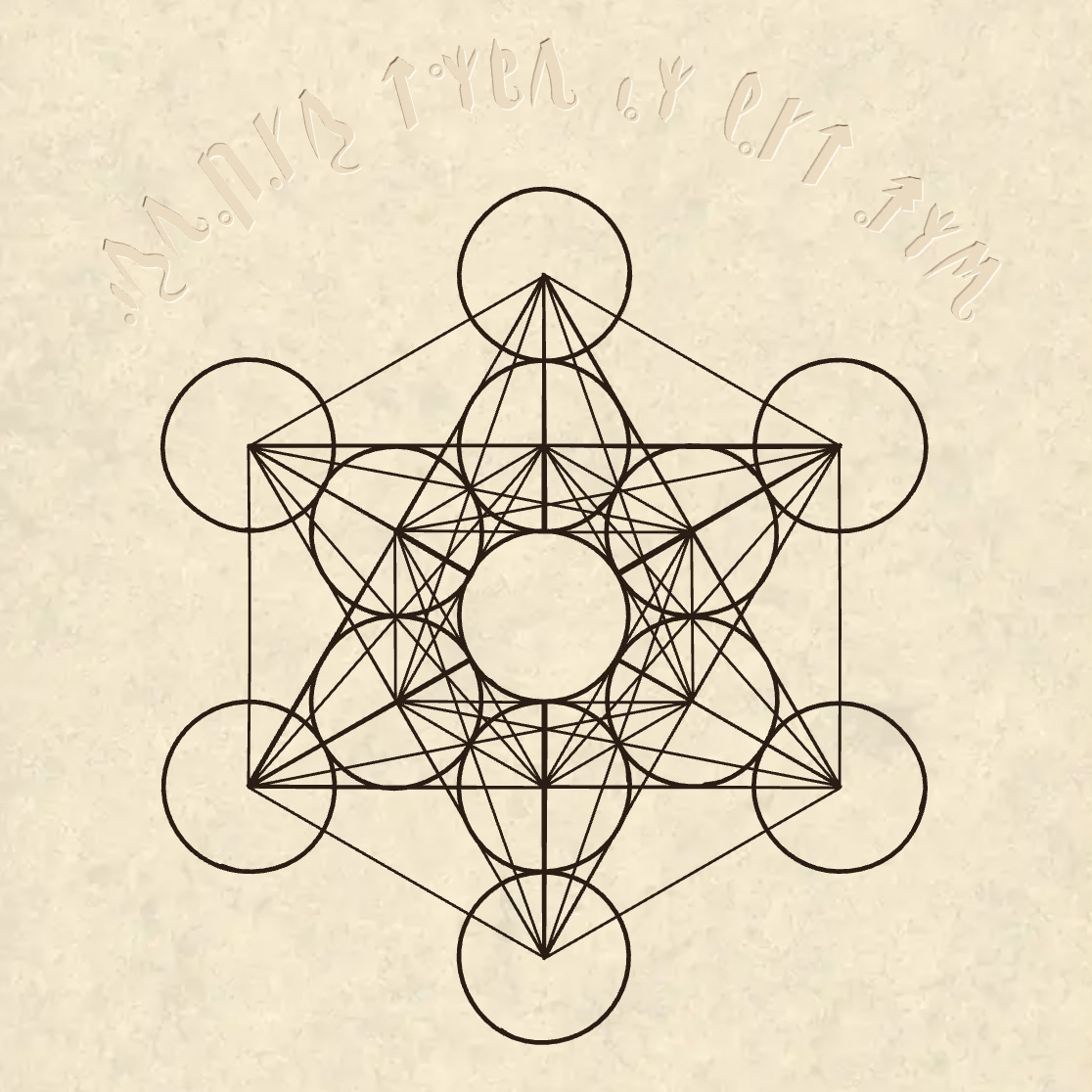
What’s true?
The short version of this update: We’ve redesigned thetruth.dance! Take a look around. There’s a small secret waiting in the dark... a little more on that below.
Also: September 29 through October 1, the Kindle ebook of The Truth Dancer will be FREE on Amazon. If you were an early reader, you may already have an .epub, but if you’d like the book in your official Amazon collection—or have a thrifty friend who might enjoy a trip to Thamaria—this is a good opportunity.
Find the complete ebook on Amazon.
On the craft side, I’ve been thinking about the shape of words.
Permit me to borrow (and butcher) an analogy from quantum physics: there is an idea that looking at something closely enough causes the collection of possibilities to collapse into a single outcome. In writing a world like Thamaria, it’s easy to know that something is true—these people speak this language and write it pictographically—without knowing exactly how it works. Unlike Tolkien, I don’t yet have functional versions of this world’s languages. Sometimes the story only needs to know that they exist.
But occasionally, looking more closely is a welcome diversion. What would a particular word actually look like on the page?
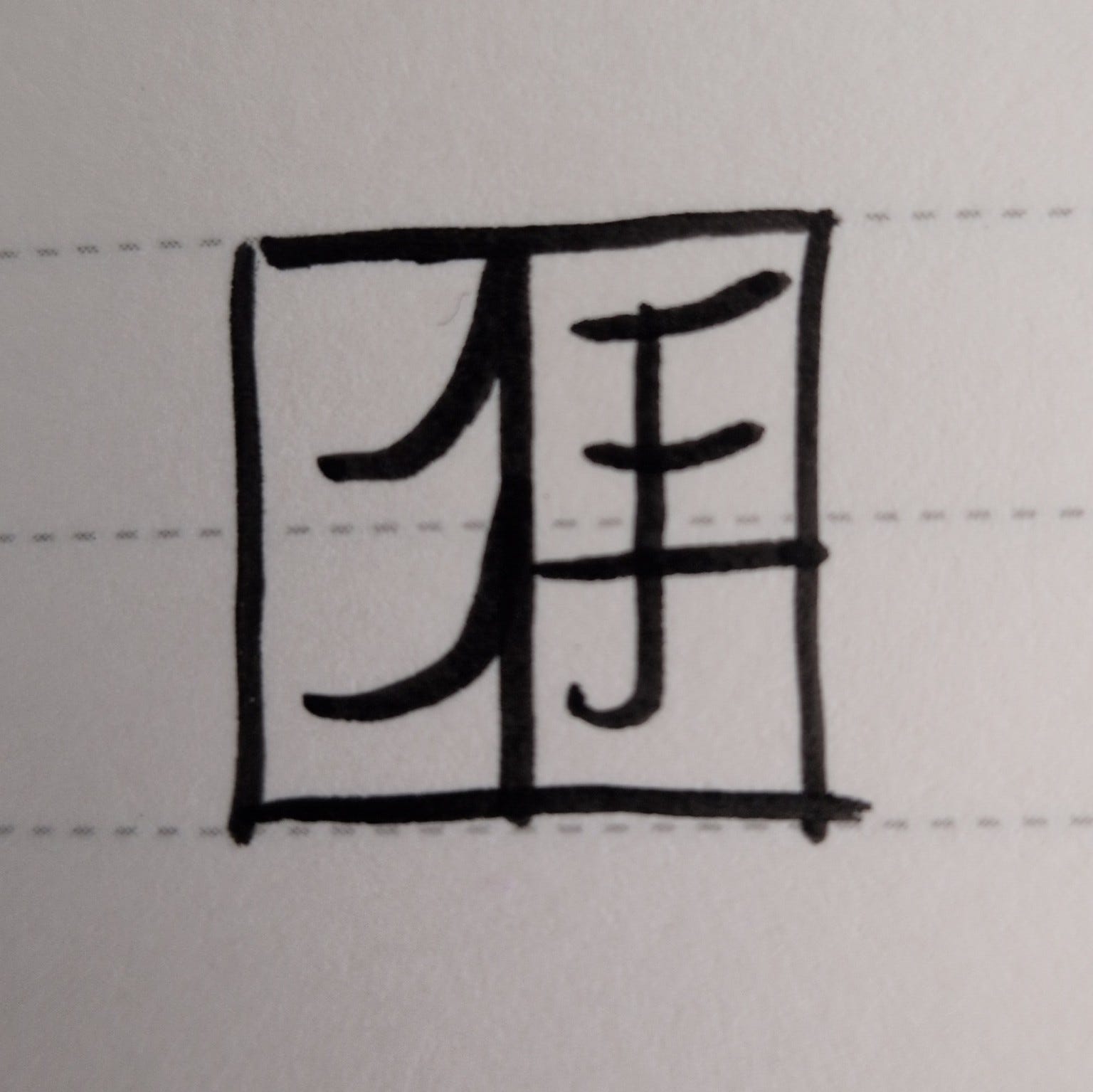
Written Thamarian builds meaning through shapes and their relationships, in a way reminiscent of the pictographic roots of Chinese characters. Its basic forms reflect the shapes of the five elements; combining and changing those forms gives rise to more complex ideas. A carpenter, for example:
The Singer script takes a different approach. As Jonathan tells Elenden in Chapter 62, “Reunion”:
“You need to learn Temple notation,” he said finally. “If you’re going to keep encountering Singer script, you should at least know how the sounds work. Even if you can’t read the meaning, you could speak what you see...”
This is a phonetic writing system: it should be able to represent the sounds of nearly any language, with particular attention to what is singable. The consonants give a word its percussion and accompaniment, but the vowels are what we sing with our breath. Working out how those sounds become marks has been its own small adventure.
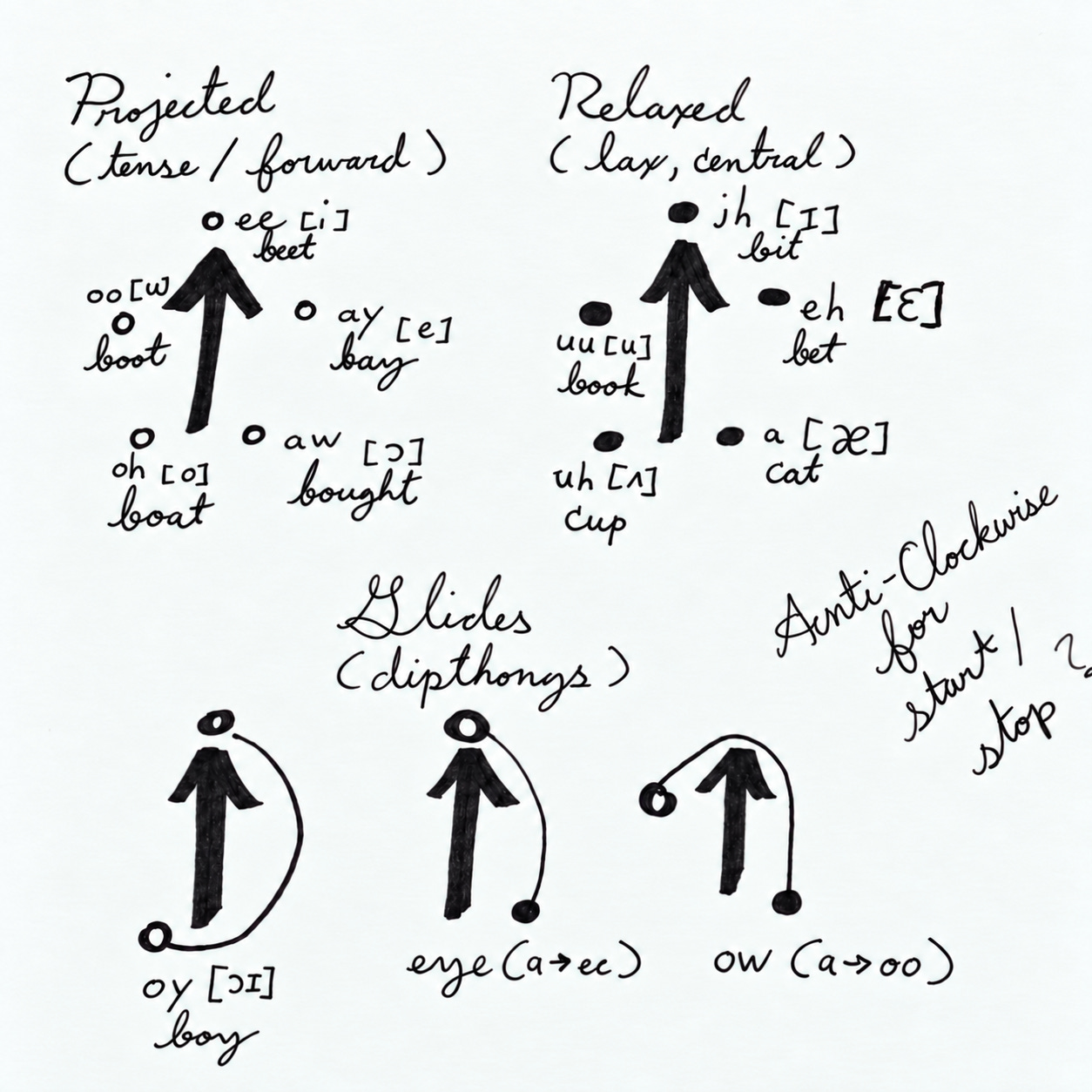
Which brings us back to the website. Observant visitors may find a draft version of Azurath and Argentil spelling out the English sounds of a couple of phrases from the book (hint: click the lantern). The Singers wouldn’t have written them in English, of course... but I thought I’d give us a fighting chance at deciphering them.
And don’t worry: despite my detours into glyphs and geometries, work is proceeding on Book Two, The Wilds Girl. (Speaking of which, if you haven’t yet downloaded the Prelude from the first newsletter, go do that before the link is removed.)

Inspiration and curiosity are gifts, even when they arrive bearing language mechanics and aesthetics. Dedication has its place as well. There are words to draw, and there are words to write. Like flowers or photons, each has its own small secret to share when we look closely.
May your ways be True!
—L.R.